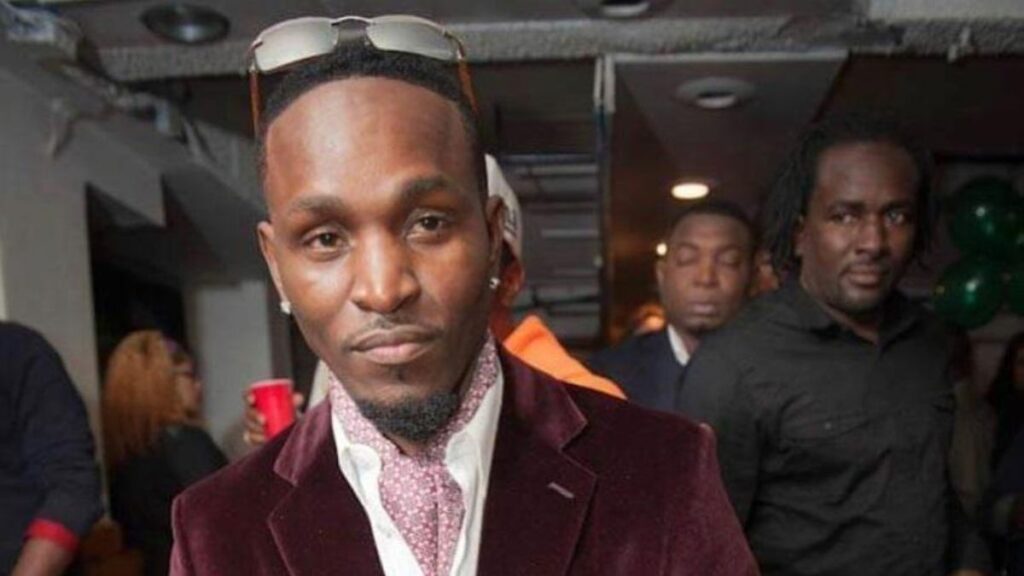
Over the recent Mother’s Day weekend, the dancehall community was thrown into a frenzy as unverified claims began circulating online suggesting that Jamaican artist Flippa Mafia, born Andrew Davis, had reportedly been arrested again by U.S. federal authorities. The story spread rapidly across social media platforms, entertainment blogs, and Caribbean music pages, quickly becoming one of the most talked-about topics among dancehall fans worldwide. Despite the widespread attention, concrete evidence supporting the claims has yet to emerge, leaving the situation clouded in uncertainty.
According to early posts shared on Facebook and various music-focused platforms, the rumored arrest was allegedly tied to drug-related charges and possible involvement from federal agencies. Within hours, the topic began trending in online dancehall communities, with users sharing and resharing posts at a rapid pace. However, while the story gained traction quickly, many details remained vague and largely unsupported by verifiable sources.
Flippa Mafia’s history has played a significant role in the intensity of the reaction. Years ago, the artist was convicted on cocaine trafficking charges and served time in the United States. Following his release, he successfully pursued an asylum case that allowed him to remain in the country. After gaining parole, he appeared to focus on rebuilding his life, reportedly working in the trucking industry and keeping a relatively low profile while gradually reconnecting with fans. For many followers who had watched his journey toward rebuilding, the idea of another legal setback felt both shocking and disappointing.
Several entertainment platforms shared the developing story while urging caution. Some pages emphasized that they were still working to verify details and encouraged followers to wait for official confirmation before drawing conclusions. This more measured tone contrasted with other posts that presented the claims as established fact, despite the absence of confirmed information.
A notable portion of the online community responded with skepticism. Comment sections quickly filled with users questioning the authenticity of the reports. Many pointed out that some of the images accompanying the story did not appear to show the artist at all. Others suggested that certain visuals looked digitally generated or unrelated, raising further doubts about the credibility of the circulating claims.
Another key reason for doubt has been the silence of established Jamaican news outlets. Observers noted that when major developments involve prominent figures in the dancehall scene, local media typically reports the news quickly. The lack of coverage from well-known Jamaican publications has been viewed by many as a significant red flag.
At present, there are no publicly available court documents, no confirmed statements from authorities, and no official response from individuals connected to the artist. While the story continues to circulate widely online, it remains unverified. Fans and observers continue to watch closely, waiting for reliable information that can clarify the situation.
Until official confirmation emerges, the reports remain speculative. The situation serves as a reminder of how quickly unverified claims can spread online and how important it is to rely on confirmed sources before accepting viral headlines as fact.
About the Author
